Mothers’ Feelings After a Down Syndrome Diagnosis
From the moment you hear “your baby has Down syndrome,” your emotions can feel like a storm: love, fear, joy, guilt, grief, hope, and confusion all swirling at once. It’s okay for your heart to be full and broken at the same time. You are not failing as a mother for feeling scared; you are simply being human, facing something you didn’t plan for but are now asked to walk through.
Common feelings for first‑time mothers
Many mothers describe:
-
Grief for the “typical” future they imagined.
-
Fear about hospitals, therapies, schooling, and what life will actually look like.
-
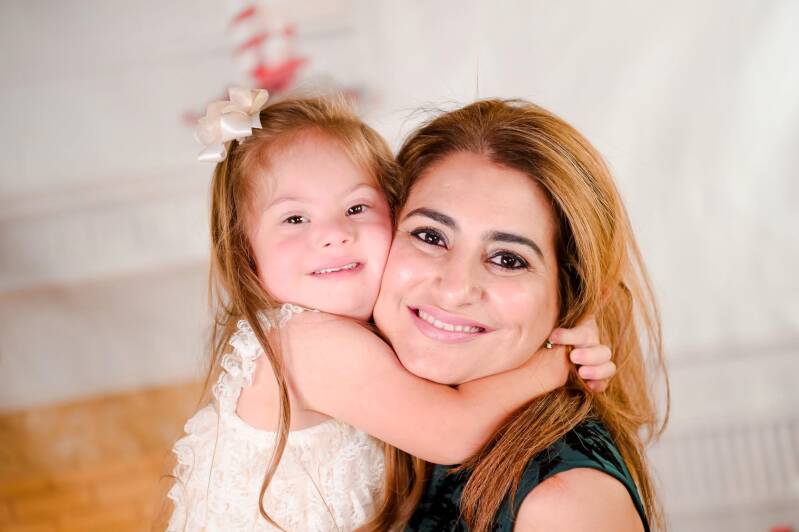
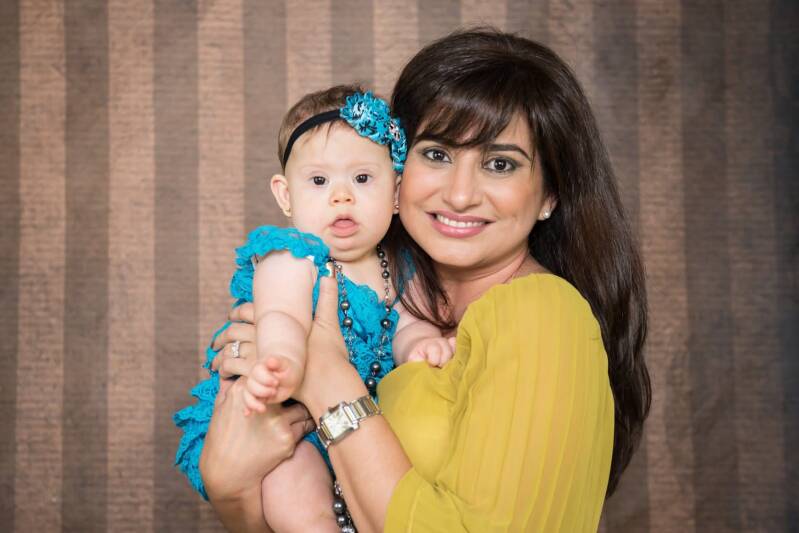
Love that doesn’t wait for understanding—your baby is still your baby, and your heart already knows them.
-
Overwhelm from medical terms, test lists, appointments, and the pressure to “get it right.”
-
Guilt for feeling any of this, especially when others say, “They’re just like any other child.”
These feelings are not a sign that something is wrong with you; they’re a sign that something real and life‑changing has happened.
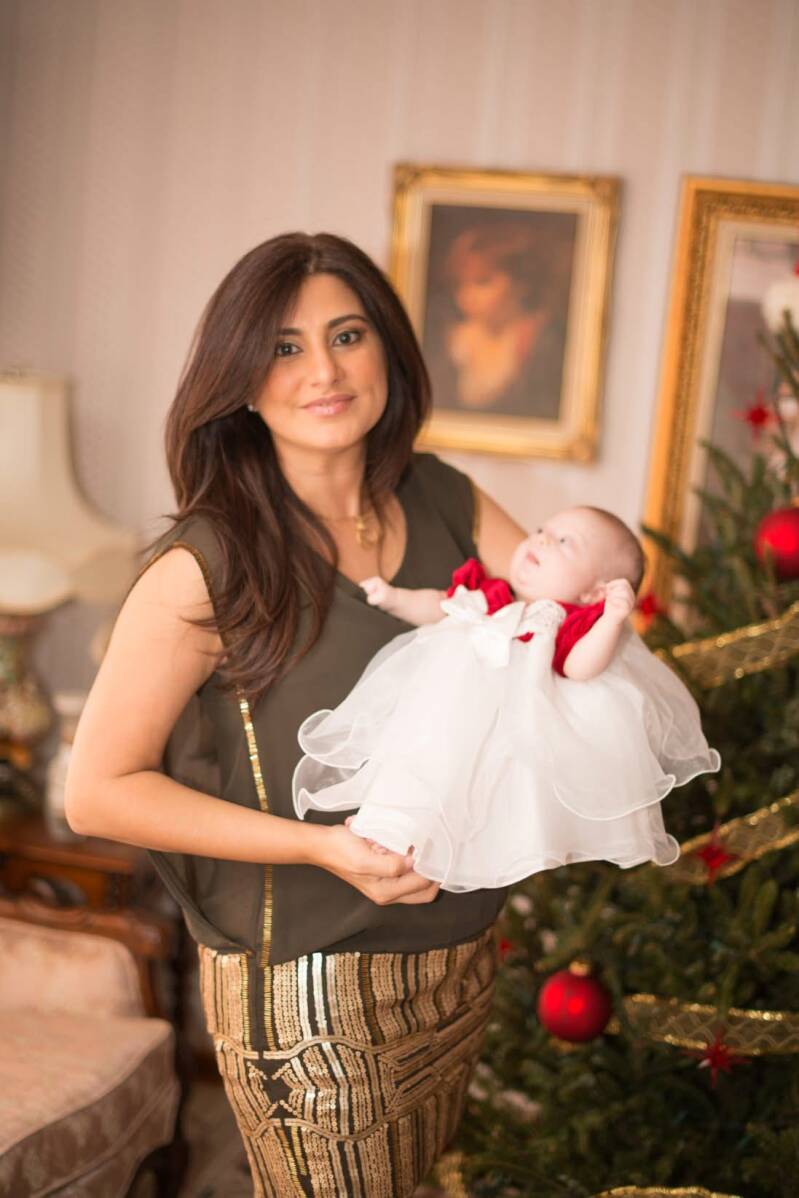
Pictures credit to:
Cary Diaz IG: @carydiaz_photography

Pictures credit to:
Natalie Atick IG: @natalieatick
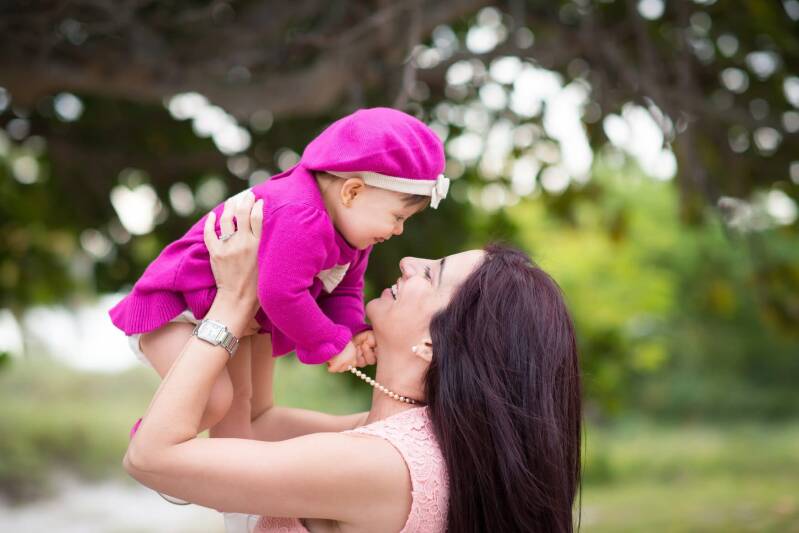
Pictures credit to:
Cary Diaz IG: @carydiaz_photography
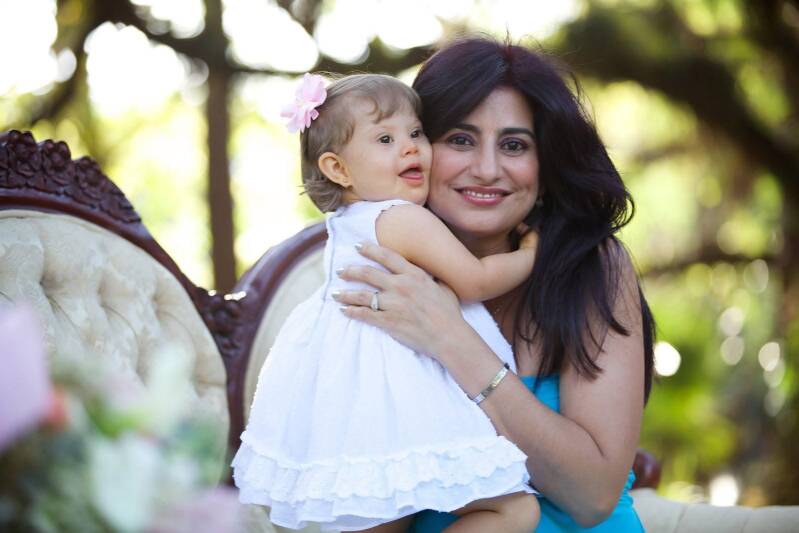
Pictures credit to:
Natalie Atick IG: @natalieatick
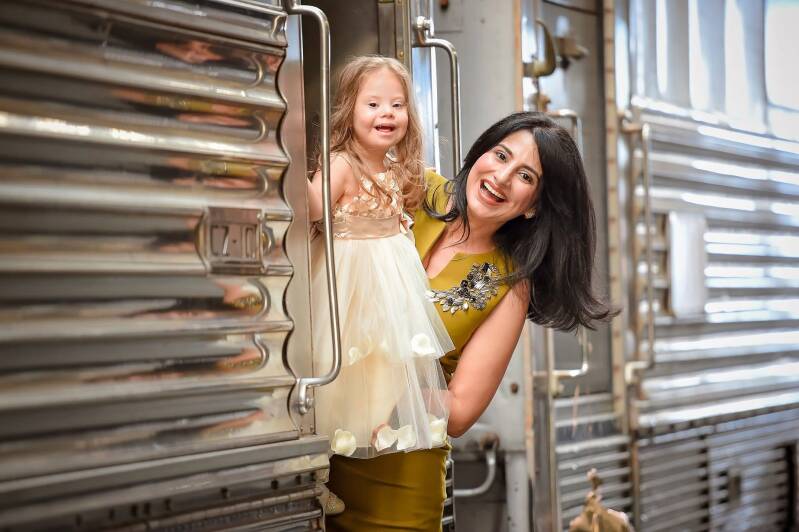
Pictures credit to:
Nicole Lynn IG: @nicolelynnphotollc
Pictures credit to:
Nicole Lynn IG: @nicolelynnphotollc
Pictures credit to:
Cary Diaz IG: @carydiaz_photography

What helps the heart heal
From our point of view, healing often starts with:
-
Allowing yourself to feel without apology.
-
Talking to people who will listen, not fix—another parent who “gets it,” a therapist, a support group, or even a dedicated journal.
-
Asking for a simple, written plan so your brain isn’t holding every detail anymore.
-
Focusing on tiny, doable moments: holding your baby, looking at their face, naming their strengths, saying “I’m here.”
Over time, the sharp edges of fear often soften. You begin to see your child first—their smile, stubbornness, cuddles, and quirks—and the label takes up less space in your heart.
You don’t “get over” the diagnosis;
you grow around it,
stronger,
wiser,
and more deeply in love.
How do mothers cope with Down syndrome diagnosis emotionally
Many mothers cope with a Down syndrome diagnosis by slowly learning how to hold intense grief and deep love in the same heart. It’s not a one‑time “get over it” moment, but a process of allowing emotions while building a new mental and emotional map of what this life is going to look like.
Acknowledging the emotions
Mothers often feel a mix of:
-
Grief for the “typical” future they imagined.
-
Fear about health, schooling, and their own ability to parent.
-
Guilt for feeling grief at all.
-
Love that doesn’t wait for acceptance.
Recognizing these feelings as normal—not a sign of weakness or lack of love—helps mothers stop fighting themselves and start healing. Many parents say, “I wept for the child I thought I’d have, but I learned to love the child I do have,” and that shift takes time and permission to feel.
Practical ways mothers cope
-
Giving themselves space to grieve
Allowing crying, journaling, or quiet time without trying to “be positive” right away often helps the emotions move through instead of stacking up. Studies and parent accounts show that mothers who process their grief tend to reach a place of greater peace and joy over time. -
Connecting with other parents
Talking with moms who have already walked this road reduces isolation and fear. Online groups, local Down syndrome organizations, and parent‑support organizations often report that connection alone is one of the most powerful coping tools, because it shifts the question from “What will I do?” to “Look what others have done.” -
Focusing on the baby, not just the diagnosis
Early on, many mothers find that holding their child, learning their little habits (smile, favorite toy, sleepy face), and celebrating tiny milestones slowly begins to soften the label’s grip. The relationship becomes real in a way that no pamphlet or scan can capture. -
Asking for help and setting boundaries
Leaning on a partner, family, friends, or a therapist, and saying “I’m not okay right now” out loud, helps mothers carry the emotional load. At the same time, they often learn to gently set boundaries with people who offer unhelpful comments or false reassurance, protecting their emotional space.

Pictures credit to:
Nicole Lynn IG: @nicolelynnphotollc
How coping changes over time
In the first days and weeks, coping may look like surviving one appointment at a time and one emotion at a time. Over months and years, it often turns into:
-
Advocacy: channeling worry into action (early interventions, school meetings, community work).
-
Pride: seeing their child’s growth, resilience, and personality more clearly than the diagnosis.
-
Meaning: reframing the experience as one that taught them patience, empathy, and deeper love.
From our point of view, coping isn’t about becoming “perfectly okay” with the diagnosis; it’s about learning to carry the weight without letting it crush your joy, your identity, or your fierce love for your child.
Many mothers who walked this path say the same thing: “It was the hardest thing I’ve ever done—and the most beautiful gift I’ve ever been given.”

Pictures credit to:
Nicole Lynn IG: @nicolelynnphotollc
Add comment
Comments