Homeschooling offers meaningful benefits for many families, especially when education, safety, and family values are a priority. Below are the most commonly cited advantages, framed in a practical, parent‑friendly way.
1. Individualized, one‑on‑one learning
Homeschooling lets you tailor lessons to your child’s pace, learning style, and interests, so they’re not left behind or held back by a classroom average.
Children can ask questions freely, receive deeper explanations, and spend extra time on topics they love or struggle with, often leading to stronger understanding and confidence.
2. Flexible schedule and routine
You can set your own hours, take breaks when needed, and adjust the day around therapy, medical visits, or your child’s energy level.
Flexibility also makes it easier to travel, avoid illness seasons, or fit schooling around your family’s unique rhythm rather than a rigid bell schedule.

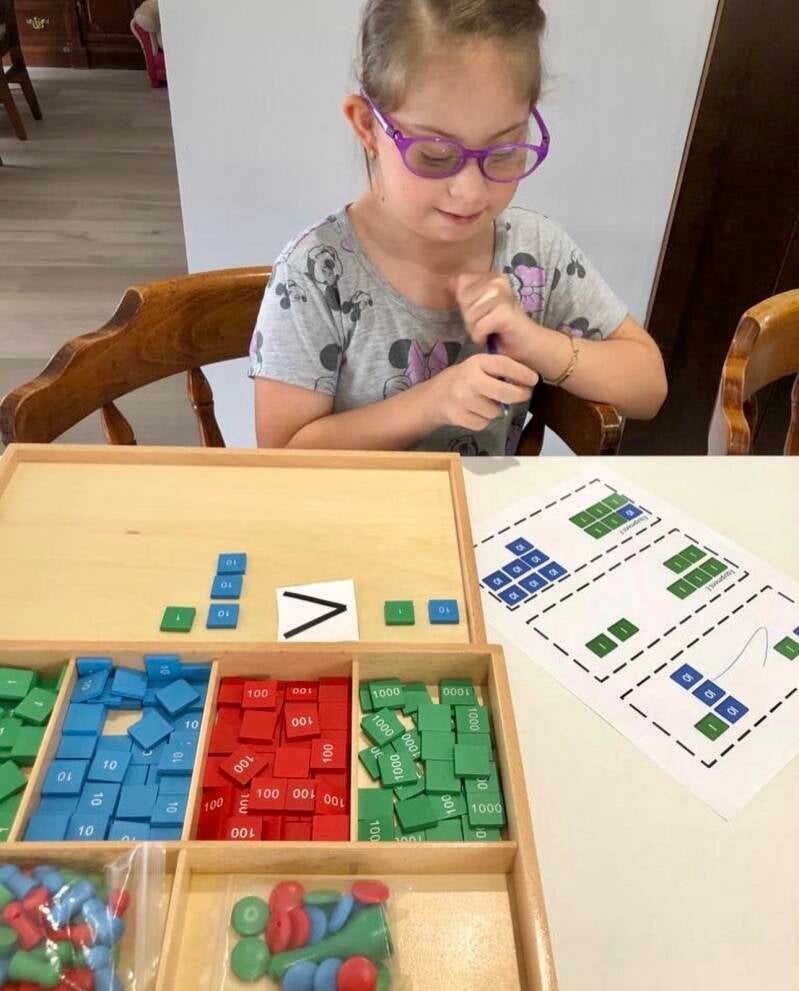
3. Safer, calmer learning environment
Homeschooling reduces exposure to bullying, social drama, and heavy peer pressure that can damage self‑esteem and cause anxiety.
Parents often report that their children feel safer, more relaxed, and more willing to take risks in learning when they’re not competing in a large‑group classroom.
4. Stronger family bonds
Spending most of the school day teaching and learning together tends to deepen the parent–child relationship and increase cooperation and trust.
Many homeschooling parents notice that their children are more open to discussing hard topics, because they already have a daily pattern of talking and problem‑solving.
5. Better focus on strengths and special needs
You can design a curriculum that honors your child’s strengths (like art, music, or hands‑on exploration) while still supporting their challenges.
For children with Down syndrome or similar needs, this often means more time for communication, sensory integration, and life‑skills practice built right into the school day.
6. Real‑life skills and values
Homeschooling makes it easy to weave in practical skills (cooking, money, chores, self‑advocacy) and character values (kindness, responsibility, faith, respect).
Because you control the content, you can ensure lessons align with your family’s beliefs and priorities, not just state standards.
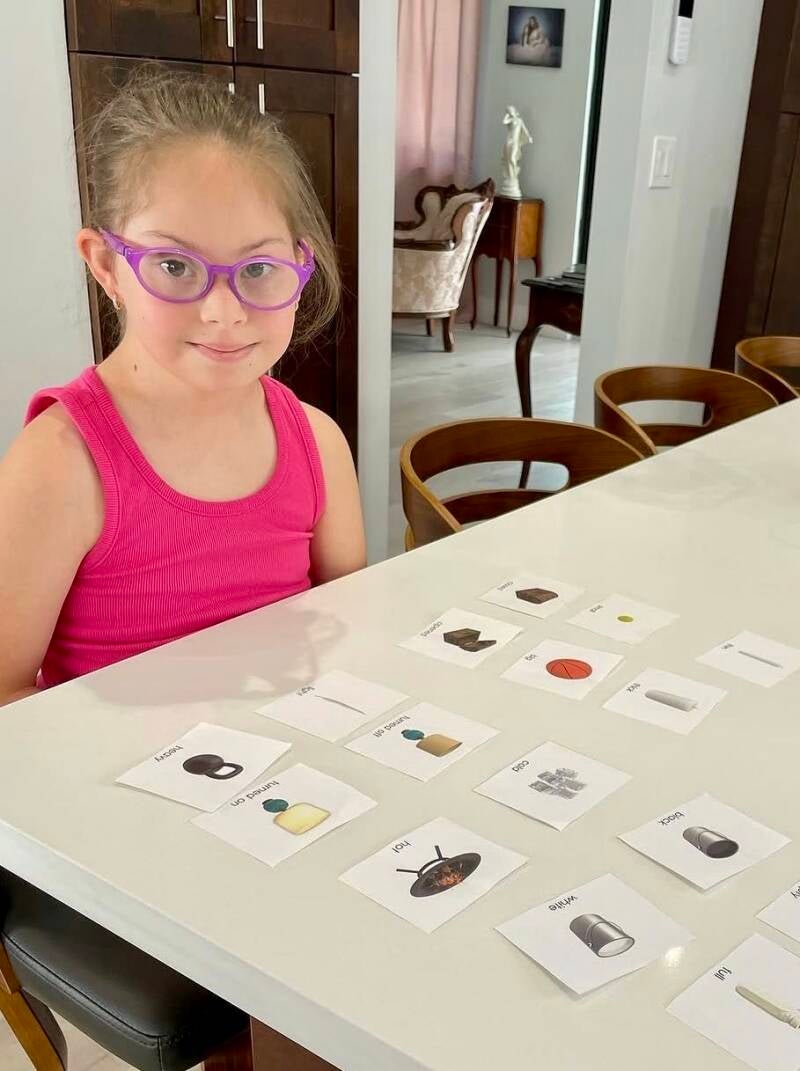
7. Potential for stronger academic outcomes
Research suggests that, on average, homeschooled students perform above national averages on standardized tests and are more likely to complete college.
Many families also find that long‑term outcomes—like confidence, critical thinking, and independence—are stronger because children are used to taking ownership of their learning.
50+ reasons why families choose homeschooling
Academic & Learning Reasons
-
One‑on‑one teaching fits your child’s unique learning style.
-
Your child can learn at their own pace—no rushing or waiting.
-
Lessons can be repeated, slowed down, or sped up without embarrassment.
-
You can avoid “busy work” and focus on meaningful learning.
-
You can spend extra time on subjects your child loves (art, science, music).
-
You can spend extra time on subjects your child struggles with.
-
You can skip material your child already knows, instead of forcing repetition.
-
Learning can happen all day, not just during “school hours.”
-
Real‑life experiences (cooking, shopping, trips) can be treated as lessons.
-
You can use hands‑on, sensory‑rich, and play‑based learning your child responds to.
Safety, Environment & Wellbeing
-
Your child is protected from bullying and serious peer pressure.
-
You can reduce social stress and anxiety for sensitive or anxious learners.
-
You can control what your child is exposed to (language, violence, inappropriate content).
-
Your home is usually a calmer, less overwhelming environment than a big classroom.
-
You can design an environment that supports sensory needs and attention.
-
You can avoid long bus rides and chaotic school‑day transitions.
-
You can reduce exposure to illness and crowded classrooms.
-
You can build a school routine around your child’s health and energy levels.
-
You can keep your child’s medical or therapy schedule central, not an afterthought.
-
You can foster a home culture of kindness and respect, not competition.
Family & Relationships
-
You get to spend more of your child’s “school day” with them.
-
You can deepen your parent–child bond through shared learning.
-
Siblings can learn together and build strong relationships.
-
You can eat more meals together instead of rushing in and out.
-
You can model learning, patience, and problem‑solving in real time.
-
Your child sees you as their teacher, which naturally builds trust.
-
You can teach by example, not just by textbook.
-
You can correct misunderstandings gently and immediately, not days later.
-
You can discipline with love and consistency, not school‑system rules.
-
You can build a home where learning and love are intertwined.
Values, Faith & Heart
-
You can teach your child from your own faith or worldview.
-
You can include kindness, character, and service as core “subjects.”
-
You can discuss values openly and honestly, not with fear of pushback.
-
You can avoid content that conflicts with your family’s beliefs.
-
You can integrate prayer, gratitude, or reflection into your daily rhythm.
-
You can teach your child to think for themselves, not just follow the crowd.
-
You can emphasize compassion, inclusion, and respect for differences.
-
You can model what it means to stand up for what’s right.
-
You can help your child see themselves as loved and capable, no matter their challenges.
-
You can build a home school culture that celebrates effort over perfection.
Flexibility & Lifestyle
-
You can set your own hours and schedule.
-
You can school during the hours your child is most alert and focused.
-
You can take breaks when your child is tired or overwhelmed.
-
You can travel and learn on the go instead of being locked into a rigid calendar.
-
You can take short vacations or “reset days” when your family needs them.
-
You can combine homeschooling with therapies, doctors, or specialists seamlessly.
-
You can create a slower, gentler rhythm instead of nonstop homework and tests.
-
You can adjust your schedule to your family’s changing seasons (jobs, health, moves).
-
You can design a routine that respects your child’s need for play and movement.
-
You can make education serve your family, instead of your family serving school.
Additional Reasons (beyond 50)
-
You can prepare your child for life skills (laundry, budgeting, cooking) alongside academics.
-
You can help your child become more independent and self‑aware as a learner.
-
You can celebrate small wins and growth that a classroom might overlook.
-
You can keep education joyful, curious, and connected to your child’s interests.
-
You can show your child that learning is lifelong, not just something that happens in a school building.
Add comment
Comments