In our homes, schools, and communities, no two people are exactly alike — and that’s something worth celebrating, not hiding.
Respect for differences means recognizing that each person brings something unique: a different way of thinking, a different pace of learning, a different story behind their smile.
When we truly see and honor those differences, we create space for kindness, understanding, and genuine connection.
Respect for Differences: A Foundation for Connection
This is especially important when it comes to differences like Down syndrome, learning styles, cultural backgrounds, or abilities. Rather than trying to “fix” or “normalize” someone, respect invites us to listen, learn, and walk alongside them. It starts with simple things: using inclusive language, asking respectful questions instead of making assumptions, and creating environments where everyone feels seen and valued.
In this blog post, we’ll explore what it really means to respect differences, why it matters for families, educators, and communities, and how we can turn respect into everyday action — starting at home, in the classroom, and in the world beyond.


We’ll explore what it really means to respect differences by looking at how each person has their own strengths, challenges, pace, and way of experiencing the world. It means moving beyond tolerance — which can feel passive — toward genuine acceptance that values diversity as a gift, not a problem to be solved.
When we respect differences, we recognize that a child with Down syndrome, a student who learns differently, or a family with a different cultural background all deserve the same dignity, voice, and opportunities as anyone else.
This matters deeply for families because it shapes how siblings, parents, and extended family show up for one another. Respect for differences means listening without judgment, celebrating milestones at their own pace, and allowing space for questions and emotions without shame. It helps parents feel supported rather than isolated and children feel safe to be themselves, exactly as they are.
For educators, it means creating classrooms that are truly inclusive — not just in name, but in practice. It means adapting teaching methods, materials, and attitudes so that every learner feels seen and capable. It also means speaking up when language or behavior is disrespectful, and modeling how to treat differences with curiosity instead of fear.
For communities, respect for differences translates into accessible spaces, inclusive events, and policies that welcome everyone.
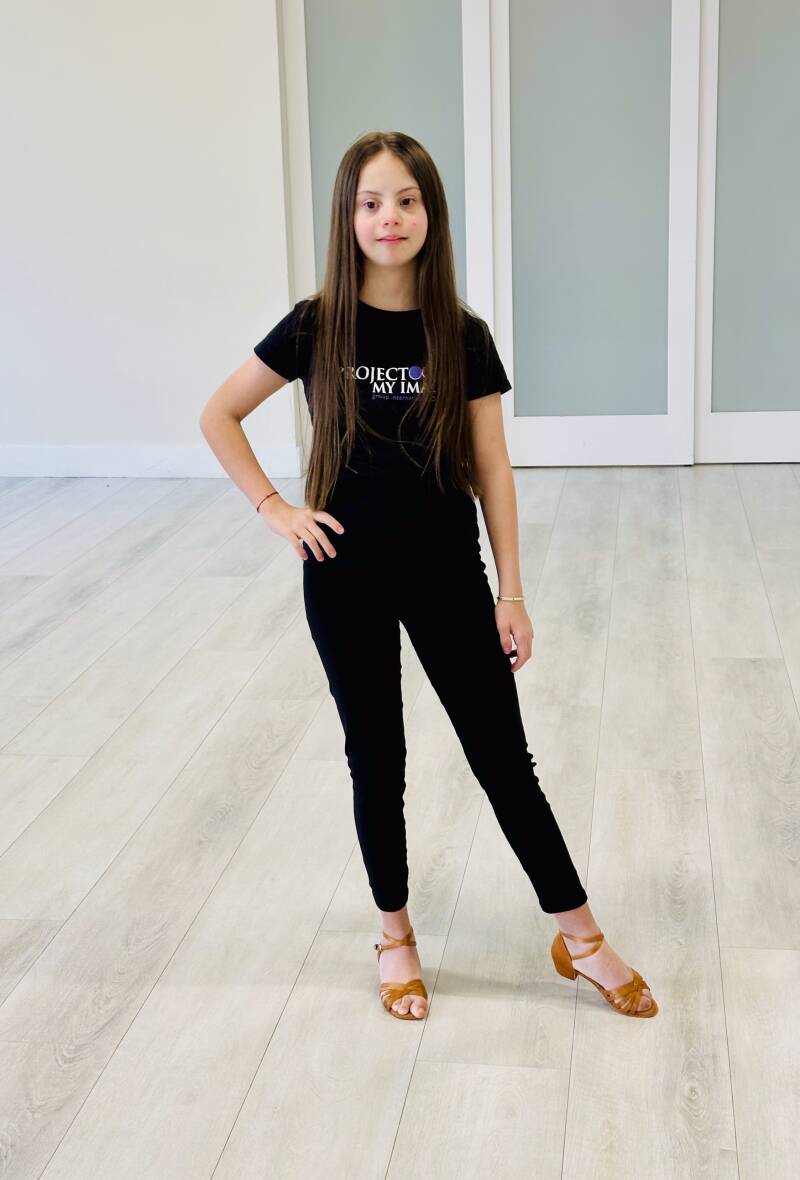
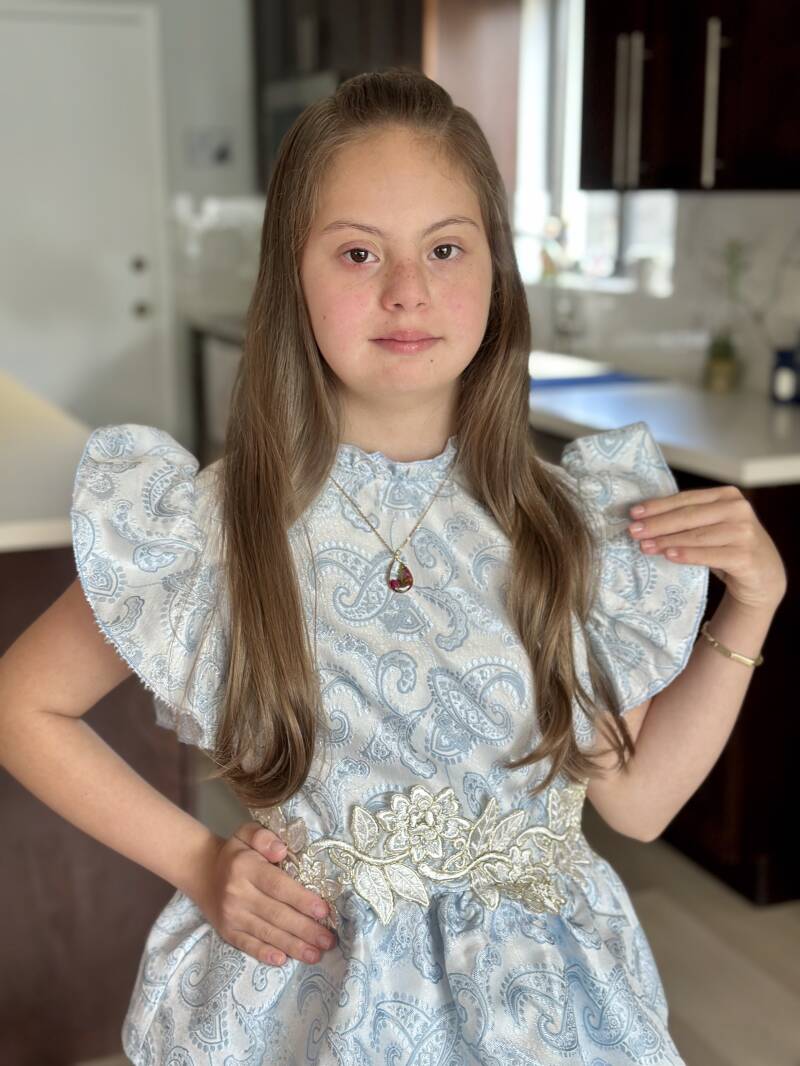
It shows up in playgrounds where children of all abilities can play together, in faith communities that invite participation regardless of ability, and in workplaces that recognize neurodiversity and disability as part of the human experience.
Turning respect into everyday action starts at home with simple choices: the words we use, the media we share, and the conversations we have at the dinner table. In the classroom, it shows up in how teachers introduce all students, how peers are taught to support one another, and how “different” is never treated as “less than.” And in the world beyond, it appears in advocacy, awareness campaigns, and the willingness to stand up for someone whose voice is often overlooked.
Ultimately, respect for differences isn’t a one‑time lesson; it’s a daily practice. It’s choosing to see people first, not labels, and to build a world where everyone has a place to belong, grow, and be celebrated.
Add comment
Comments